Classic Buttery Shortbread Cookies
Traditional shortbread cookies with a melt-in-your-mouth texture, golden-brown edges, and classic fork pattern. Simple ingredients create an elegant, timeless treat.


The Secret to Perfect Shortbread
The key to exceptional shortbread lies in the quality of butter and the gentle handling of the dough. Using room temperature butter allows for proper creaming, which incorporates air and creates the signature tender, crumbly texture. The addition of cornstarch further enhances this delicate crumb.
Avoid overworking the dough once the flour is added. Overmixing develops gluten, which leads to tough cookies instead of the tender, melt-in-your-mouth texture that defines great shortbread. The dough should just come together when pressed.
💡 Professional Tip
Chill the shaped cookies before baking to help them maintain their shape and prevent excessive spreading. This also allows the butter to firm up, resulting in a better texture and more defined fork pattern.
Frequently Asked Questions
Spreading usually means the butter was too warm or the cookies weren't chilled before baking. Make sure to refrigerate shaped cookies for at least 15 minutes before baking.
You can, but reduce or omit the added salt in the recipe. Unsalted butter gives you better control over the final flavor and is preferred for baking.
Store in an airtight container at room temperature for up to 2 weeks. Layer with parchment paper to prevent sticking. They also freeze beautifully for up to 3 months.
Cornstarch creates an extra tender, delicate texture by reducing gluten formation. It's a traditional ingredient in Scottish shortbread that makes them literally melt in your mouth.
Yes! The dough can be refrigerated for up to 3 days or frozen for up to 3 months. Bring to room temperature before shaping if frozen, or let it soften slightly if refrigerated.
Add milk or water, one teaspoon at a time, until the dough holds together when pressed. Be careful not to add too much liquid or the cookies will be tough.
Absolutely! Try adding lemon zest, almond extract, lavender, or dip cooled cookies in melted chocolate. Keep add-ins minimal to maintain the classic texture.
This is perfect! Shortbread should have lightly golden edges with pale centers. If browning too much, reduce oven temperature by 25°F and bake a bit longer.
Recipe Troubleshooting Guide
Cookies Too Hard
Problem: Shortbread turns out hard instead of tender
Solution: Don't overbake - remove when edges are just lightly golden. Also, avoid overmixing the dough and measure flour accurately (spoon and level method).
Cookies Spreading
Problem: Cookies spread and lose shape during baking
Solution: Chill shaped cookies before baking, use room temperature (not melted) butter, and ensure oven is fully preheated to 325°F.
Tough Texture
Problem: Cookies are tough instead of tender and crumbly
Prevention: Stop mixing as soon as dough comes together. Overmixing develops gluten. Also ensure you're using enough butter and not adding too much liquid.
Uneven Baking
Problem: Some cookies brown faster than others
Recovery: Ensure all cookies are the same size and thickness. Rotate baking sheet halfway through. Use light-colored baking sheets for even heat distribution.
Crumbly to Handle
Problem: Cookies fall apart when picking them up
Prevention: Let cookies cool on the baking sheet for at least 5 minutes before transferring. They firm up significantly as they cool. Handle gently.
Flavor Balance Issues
Too Sweet: Reduce sugar by 2 tablespoons and omit the sugar topping
Too Salty: Use unsalted butter and reduce or omit the salt in the recipe
Bland: Increase vanilla extract, add a pinch more salt, or try brown butter for deeper flavor
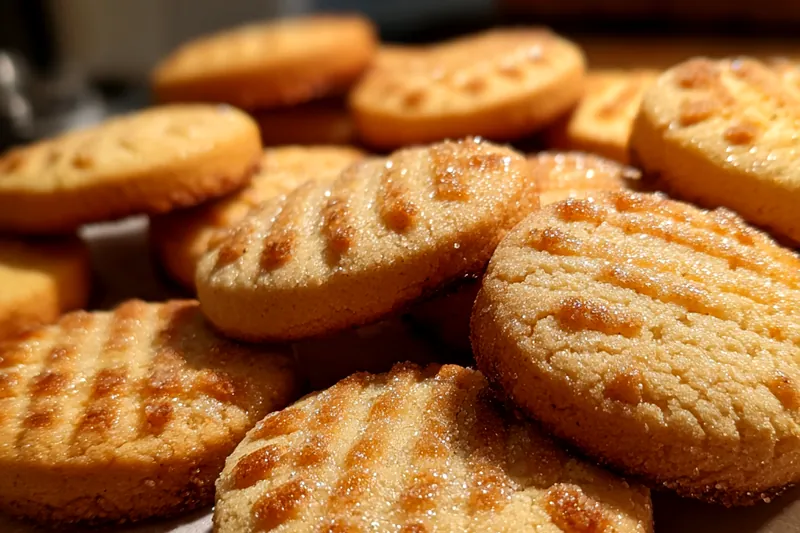
Choosing Quality Ingredients
Shortbread is all about simplicity, which means each ingredient matters tremendously. Use high-quality European-style butter with at least 82% butterfat for the richest flavor and best texture. The butter should be softened but not melted - it should hold a fingerprint when pressed.
All-purpose flour combined with cornstarch creates the signature tender crumb. The cornstarch reduces protein content, resulting in a more delicate cookie. Use pure vanilla extract rather than imitation for authentic flavor that complements the butter beautifully.
Essential Ingredient Notes
- Butter Selection: Choose unsalted, high-quality butter. European-style butter has higher fat content and less water, resulting in richer, more tender shortbread.
- Flour Measurement: Spoon flour into measuring cups and level off rather than scooping directly. Scooping packs flour, adding too much and making cookies dense.
- Sugar Coating: Regular granulated sugar works best for topping. The slight crunch contrasts beautifully with the tender cookie interior.
Mastering the Baking Technique
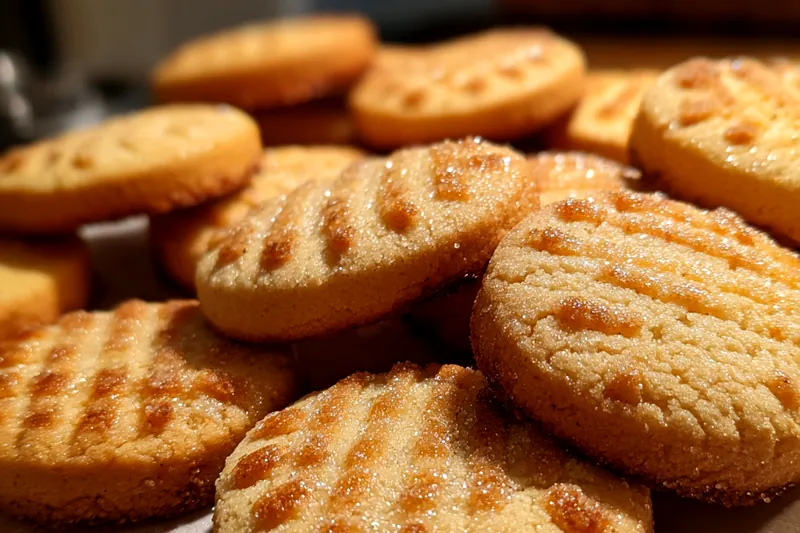
Temperature control is crucial for perfect shortbread. Bake at a lower temperature (325°F) to allow the cookies to dry out and become crisp without browning too much. The goal is lightly golden edges with pale centers - this ensures tender texture throughout.
The fork pattern isn't just decorative - it helps cookies bake evenly by preventing air pockets. Press firmly but gently, dipping the fork in flour or sugar between cookies to prevent sticking. The crosshatch also creates more surface area for that desirable slight crispness.
The Perfect Fork Press
Flatten cookies to about 1/4 inch thick with your palm first, then press with a floured fork in one direction, rotate 90 degrees, and press again to create the classic crosshatch pattern.
Classic Buttery Shortbread Cookies
📋 Ingredients
For the Cookie Dough
- 2-3 tbsp granulated sugarFor sprinkling on top before baking
- All-purpose flourFor dusting fork to prevent sticking
For Finishing
- 225g unsalted butter, softenedRoom temperature, not melted
- 100g granulated sugarFor sweet, tender texture
- 5ml vanilla extractPure extract for best flavor
- 280g all-purpose flourSpoon and level for accuracy
- 30g cornstarchCreates tender, melt-in-mouth texture
- 1/4 tsp saltEnhances butter flavor
- 15ml milk (if needed)Only if dough is too crumbly
Instructions
Cream Butter and Sugar
In a large bowl, beat softened butter and sugar together until light and fluffy, about 3-4 minutes. Add vanilla extract and mix until combined.
Add Dry Ingredients
In a separate bowl, whisk together flour, cornstarch, and salt. Gradually add dry ingredients to butter mixture, mixing on low speed until just combined. The dough should be crumbly but hold together when pressed. Add milk if too dry.
Shape the Cookies
Roll dough into 1-inch balls and place on parchment-lined baking sheets, spacing 2 inches apart. Gently flatten each ball with the palm of your hand, then press with a fork in a crisscross pattern to create the classic design.
Chill and Prepare
Refrigerate shaped cookies for 15 minutes. Meanwhile, preheat oven to 325°F (165°C). Sprinkle chilled cookies lightly with granulated sugar.
Bake to Perfection
Bake for 16-18 minutes until edges are lightly golden but centers remain pale. Cookies will be soft when removed but will firm up as they cool. Let cool on baking sheet for 5 minutes, then transfer to a wire rack to cool completely.
Recipe Notes & Tips
Storage
Store cooled shortbread in an airtight container at room temperature for up to 2 weeks. They also freeze beautifully for up to 3 months - thaw at room temperature before serving.
Variations
Try dipping cooled cookies in melted chocolate, add lemon zest to the dough, or sandwich two cookies with jam. A pinch of cardamom or lavender also creates wonderful variations.
Gift Giving
These cookies make excellent gifts. Layer them in decorative tins with parchment paper between layers. They stay fresh and transport beautifully, making them perfect for holidays and special occasions.